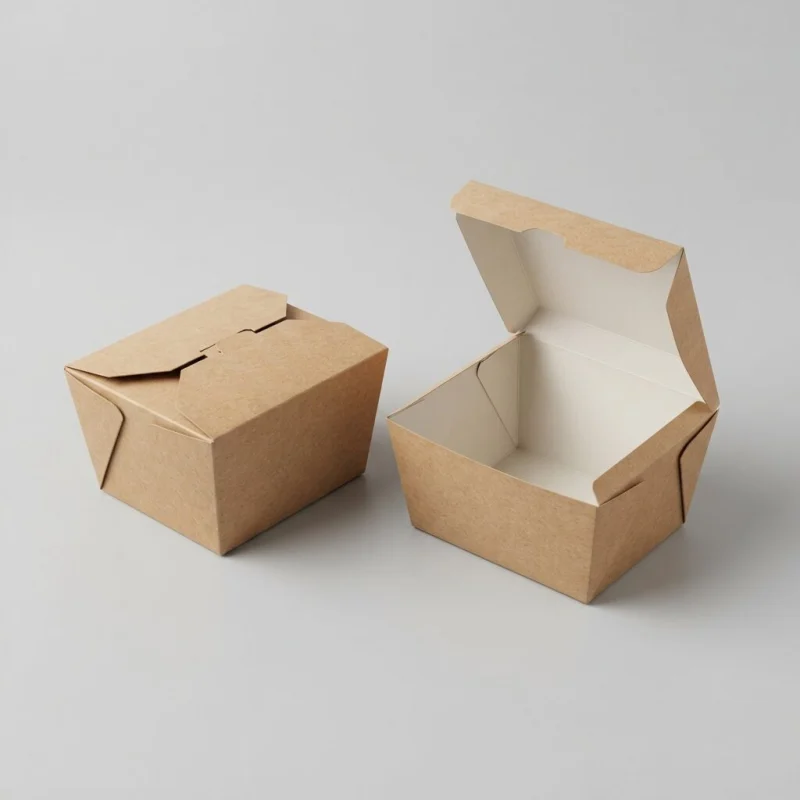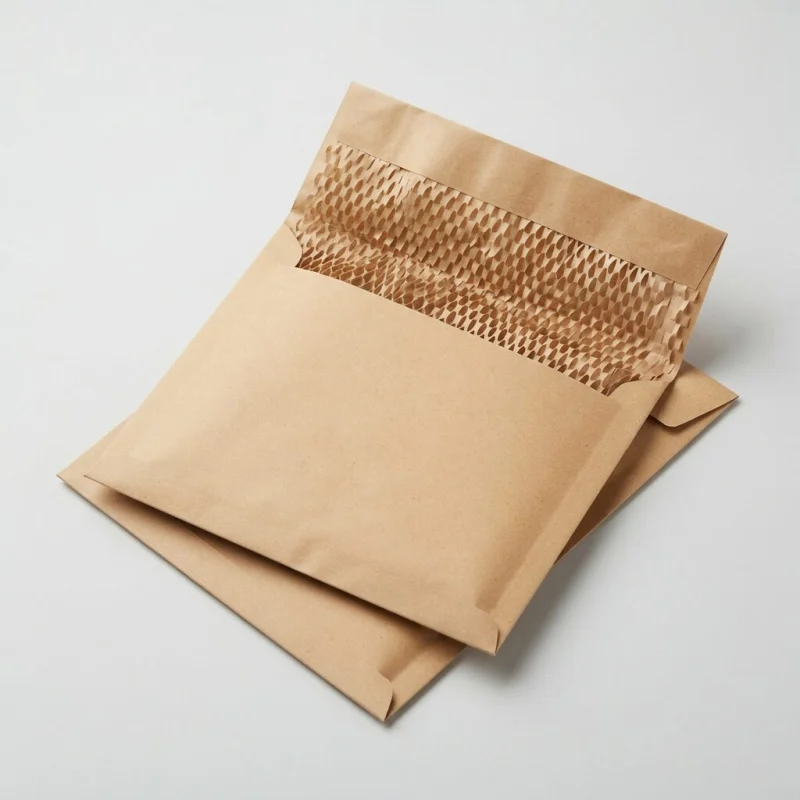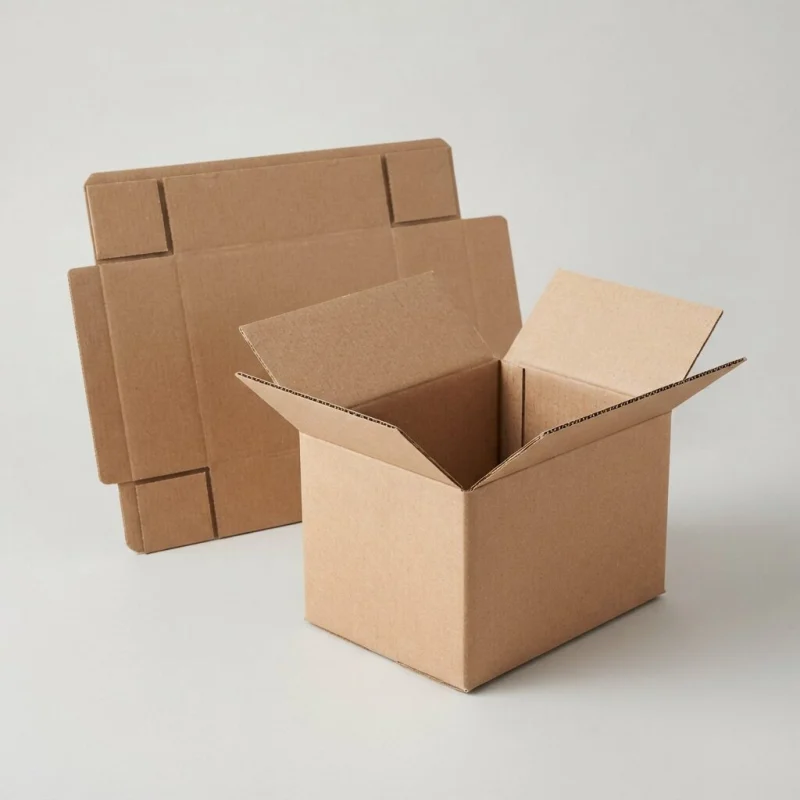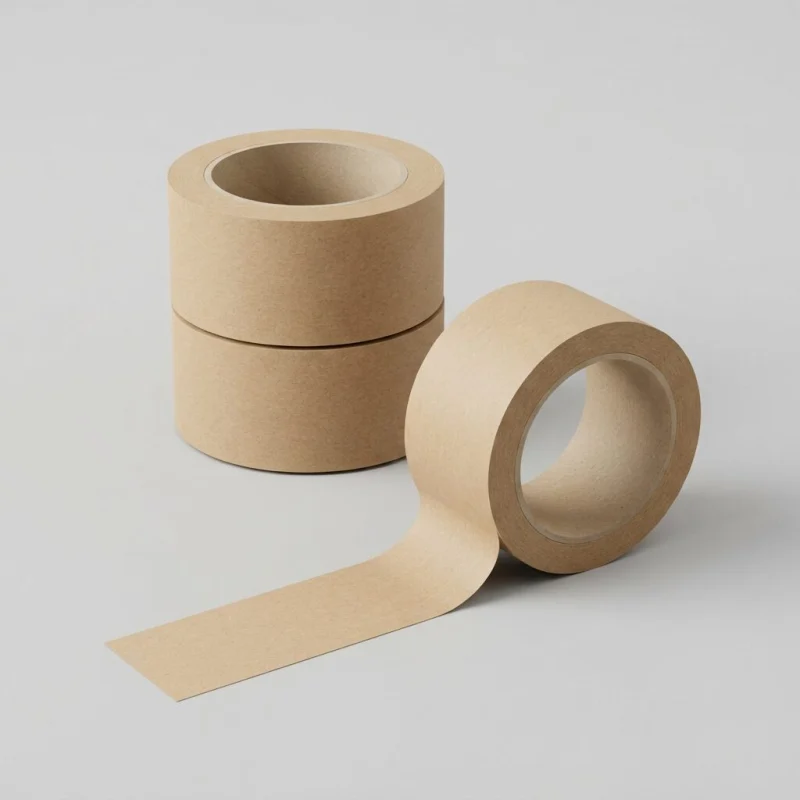
When we visit customers who pack their own orders, the same thing comes up: the packing is quick; the walking, searching and reaching are slow. A bench that is set up properly can easily save an hour a day for a business sending forty or fifty parcels, and it makes the work less tiring. Here is what our own packing team has learned.
Get the height right
The most important measurement is the height of the work surface. For standing work, the bench top should be roughly at the height of your wrists when your arms hang by your sides, which for most people is between 900 and 950 mm. Too low and you stoop over every parcel; too high and your shoulders tire.
If more than one person packs, choose a height that suits the tallest, then give shorter colleagues a firm platform to stand on. An anti-fatigue mat makes a noticeable difference over a full day.
The bench should be deep enough to take your largest common box with space around it, usually 750 to 900 mm, and wide enough for three zones side by side.
Work in three zones
Lay the bench out in the order the work flows, left to right or right to left, whichever suits the room:
- Incoming. Picked items and the order slip arrive here, in a tray or crate per order.
- Packing. The clear space in the middle where the box is folded, filled and sealed.
- Outgoing. Scales, label printer and a space for finished parcels, ideally next to the door or the collection point.
Each order moves in one direction and never doubles back. That alone stops parcels getting mixed up.
Keep everything in reach
Stand in the packing zone and stretch your arms out. Everything you use on every order should be inside that reach, without stepping: tape gun, scissors or knife, void fill, wrap, stickers, and your two or three most used box sizes. Things you use on some orders can go one step away. Anything you use once a week can live on a shelf.
A few simple fixtures help:
- A roll holder above or behind the bench for honeycomb wrap or bubble wrap, so you pull and tear with one hand.
- A tape gun on a hook or in a holster at the edge of the bench, always in the same place.
- Flat-packed boxes stored on edge under the bench, divided by size, so you can pull one without moving the rest.
- A wall-mounted rail or shallow shelves for mailers, labels and tags.
Pre-fold, pre-cut, pre-stock
Five minutes at the start of the day saves far more later. Fold up the boxes you know you will need, especially regular slotted cartons, which take longer than crash-lock mailers. Tear off a batch of wrap or paper void fill. Make sure the label printer has a full roll and a spare on the shelf.
Keep a simple restocking list on the wall. When anything drops to a day's supply, tick it, and reorder once a week. Running out of tape halfway through a busy afternoon costs far more time than ordering it.
Batch your orders
Picking and packing one order at a time feels orderly, but it means walking the same route through your stock again and again. Instead:
- Print every pick list and label at once, at a set time, such as after the 11am and 2pm cut-offs you choose for yourself.
- Pick in batches, collecting items for ten or twenty orders in one walk.
- Pack in groups of the same box size, so you are not switching between sizes and void fill amounts on every order.
For many small businesses, batching is where most of the hour is saved.
Standardise the box and the wrap
The fewer decisions on each order, the faster it goes. Write a short packing guide and stick it above the bench: which box for which product, how many layers of wrap, what goes on top. It is invaluable when someone new helps out in a busy season, and it keeps every parcel looking the same.
Weigh and label without moving
Put the scales and label printer side by side at the end of the bench, with the computer or tablet between them. If your postage software can read the scales directly, set that up; it removes a source of typing mistakes. Thermal label printers are worth it once you send more than a handful of parcels a day: no ink, no cutting and no peeling sheets.
Look after the space
A tidy bench is a fast bench. Sweep away offcuts and empty tape cores at the end of each day, flatten incoming cardboard for reuse as void fill or recycling, and keep a bin for anything that cannot be recycled right by the bench, so it does not end up in the wrong place.
Try it for a week
You do not need to buy anything to start. Measure your bench height, move the most used items within arm's reach, and batch one session of orders. Time a normal day before and after. Most customers notice the difference within a week, and the hour they save is better spent than looking for the tape.